Cook Less, Live More: Tech-Powered Meal Prep for Health and Savings
Today we dive into “Smart Kitchen, Smarter Diet: Meal-Prep Tech that Cuts Costs and Improves Nutrition,” exploring how connected appliances, planning apps, and proven prep habits make eating well affordable and joyful. Expect practical workflows, data-backed tips, and friendly stories that turn weeknight stress into calm routines, reduce waste, and keep flavors exciting without demanding perfection. We’ll show how simple tools, intentional batching, and playful variety protect your budget, elevate nutrition, and give time back to your life so healthy, satisfying meals feel automatic.

Connected Appliances That Actually Help
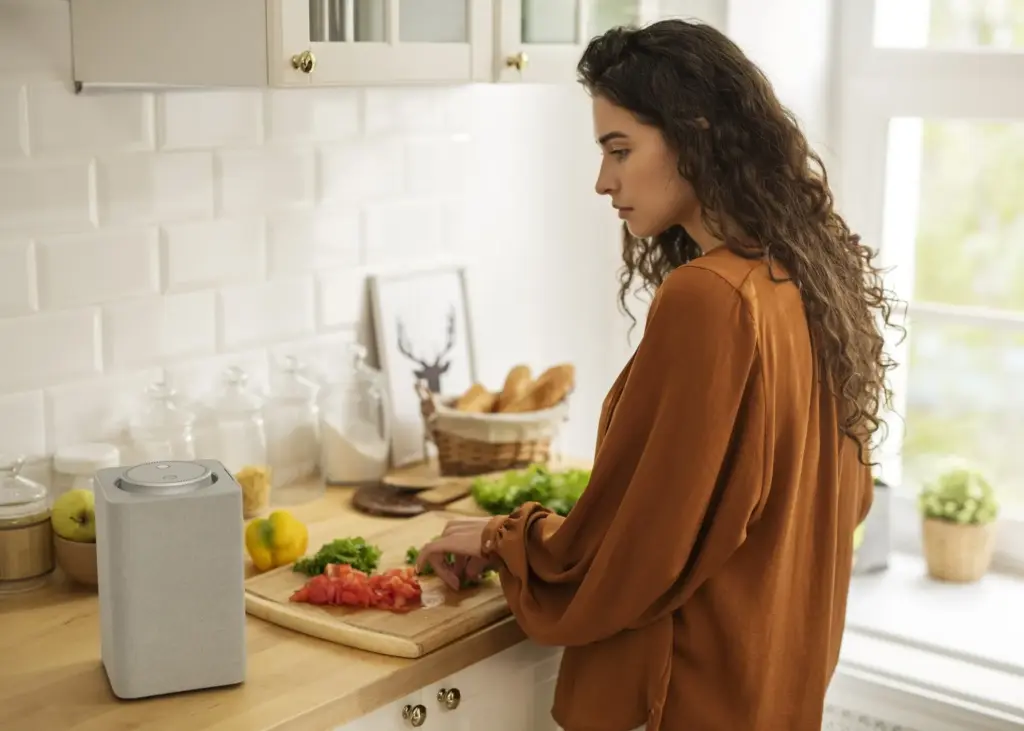
Smart gear should reduce thinking, not add chores. The right oven modes, pressure programs, and guided sensors turn inconsistent results into dependable, repeatable wins. By eliminating guesswork around doneness, timing, and energy use, these tools protect nutrients, tame bills, and streamline batch days. You’ll learn which features matter, how to combine devices efficiently, and where to skip upgrades. Real examples show crispy vegetables, tender proteins, and perfectly timed grains landing on plates faster, with less hovering, fewer burnt corners, and more confidence to try new flavors on a busy schedule.

Apps That Plan, Shop, and Prevent Waste
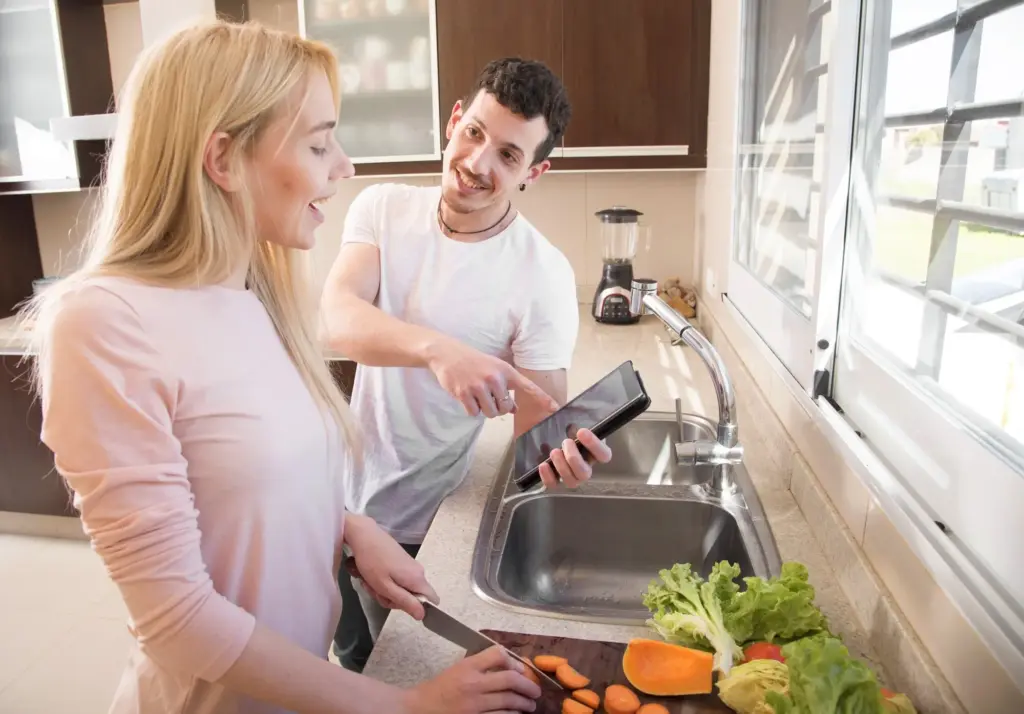
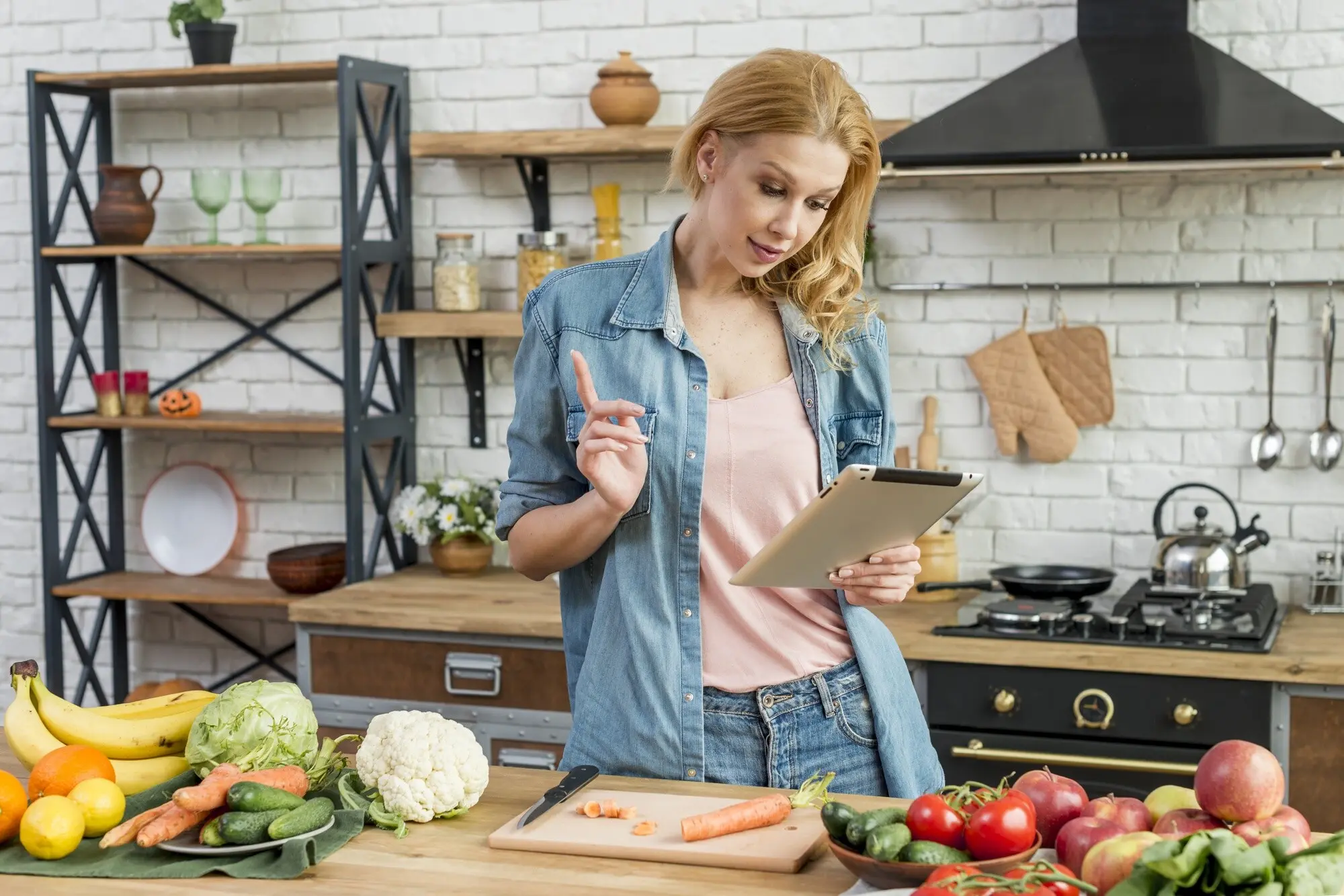
Planning apps connect recipes with dynamic shopping lists, pantry inventories, and price alerts, so every purchase has a purpose and every leftover finds a second life. By tracking what you already own and what’s approaching expiry, these tools steer you toward smarter substitutions and flexible menus that fit real calendars. Linked nutrition insights help you hit protein and fiber targets without micromanaging every bite. The result is fewer forgotten greens, better unit pricing, and steady, satisfying meals that adapt to school nights, meetings, and spontaneous get-togethers without blowing the budget.

Prep Once, Enjoy All Week Without Boredom

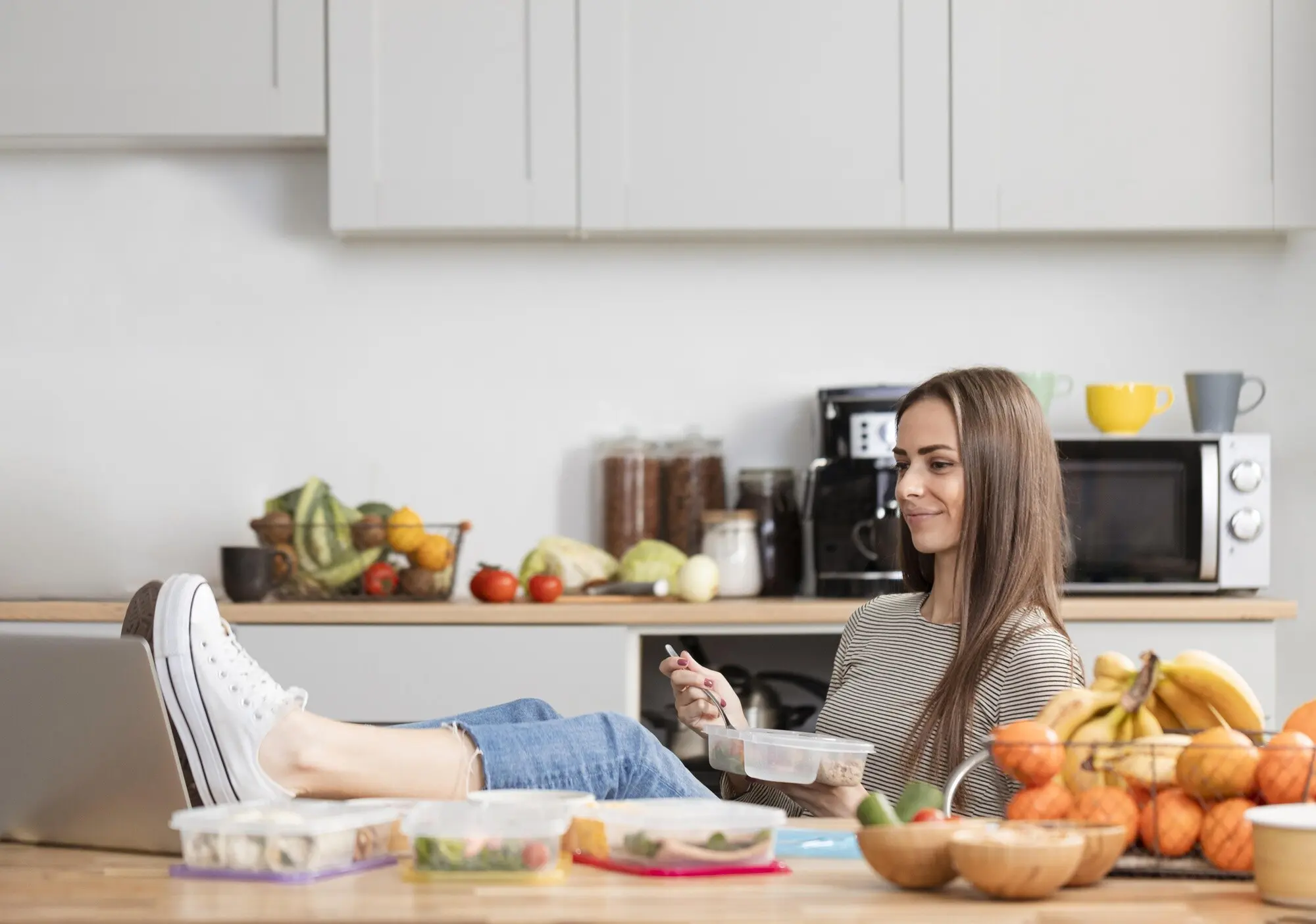
Batching doesn’t mean eating the same bowl five days straight. The secret is modular prep: versatile grains, proteins, and vegetables that remix with fast sauces and crunchy garnishes. By focusing on textures, acid, heat, and herbs, every plate tastes new while respecting your plan. Smart storage, rapid cooling, and labeled portions protect freshness and safety, while sensible reheating methods keep crispness where it matters. With a little choreography—two trays roasting, a pot simmering, a blender whirring—you build a week’s worth of variety in under two focused hours.

Modular building blocks

Cook a base of brown rice or quinoa, a tray of spiced chickpeas, and a pan of roasted mixed vegetables. Add grilled chicken or marinated tofu for protein options. Now shape burrito bowls, Mediterranean salads, or hearty wraps by shifting sauces and toppings. The same ingredients taste wildly different with citrusy dressings, smoky paprika, or cooling yogurt. This structure saves time and money while maintaining nutrition, because you decide portions on the plate, not in the pot. You’ll crave the next combination, not dread repetition.

Flavor bombs and quick sauces

A jar of chimichurri, a roasted red pepper sauce, and a tahini-lemon drizzle can transform quiet staples into craveable meals. Mix spice blends in advance—berbere, za’atar, or garam masala—to refresh roasted vegetables and grains instantly. Keep pickled onions and toasted nuts ready for crunch and brightness. These small moves invite variety without extra cooking, protecting weeknight energy while raising satisfaction. Flavor bombs also help portion control naturally, because complex tastes make smaller amounts feel complete. You’ll spend minutes finishing plates, not hours reinventing dinner.

Storage, cooling, and reheat tactics

Rapidly chill cooked foods on sheet pans before sealing to preserve texture and safety, then portion into clear containers so choices are visible. Store sauces separately to keep crisp elements lively. Reheat grains with a splash of water and a lid for gentle steam; revive roasted vegetables in an air fryer for snap; finish proteins under a broiler for caramelization. Label dates, rotate older portions forward, and plan one flexible “use-it-up” night. These habits keep meals delicious for days, prevent sogginess, and reduce the chance anything lingers forgotten.

Protein anchors, plant variety

Place protein first—beans, lentils, tofu, chicken, fish—then surround it with plants of many colors for fiber, micronutrients, and texture. Batch-cook two proteins per week to keep lunches easy, and roast a rainbow tray for sides that flex across cuisines. Add nuts or seeds for crunch and staying power. Meal-prep tech streamlines weighing and scaling, helping plates feel abundant without excess. The aim is satisfaction, not strict rules, so your plan survives busy days and celebrations while quietly delivering steady nutrition in every bite.

Portions you can see, not count

Use visual cues instead of constant calculations: a palm of protein, a cupped hand of grains, two fists of vegetables, and a thumb of fats as a starting guide. A scale helps batch recipes align with these anchors while leaving you free at the table. As patterns settle, hunger becomes a better coach than numbers. This approach invites mindfulness, reduces decision fatigue, and keeps prep enjoyable. The result is a week of balanced, satisfying meals that feel flexible rather than restrictive, supporting consistency without stealing joy.

Budget Wins You Can Taste

Cost savings compound when smart tools meet intentional planning. Batching trims impulse spending, energy-efficient cooking lowers utilities, and scrappy creativity turns trims into treats. Apps reveal unit-price champions, seasonal swaps, and reward stacking. Freezers extend peak flavors, while quick sauces and toppings rescue leftovers into new identities. By focusing on whole ingredients, strategic proteins, and reliable staples, you build abundant meals that rival takeout at a fraction of the price. The best part: better nutrition rides along naturally, because delicious balance stops late-night snacking spirals before they start.

Batch, freeze, and reuse heat

Cook once for multiple meals to divide energy costs across servings. Slide an extra tray of vegetables into the oven while roasting chicken, then cool and freeze portions flat for space efficiency. Reuse residual oven heat to toast nuts, dry breadcrumbs, or finish granola. Label quart bags with dates and reheating tips so Tuesday you feels helped by Sunday you. This rhythm means fewer emergency groceries, steadier lunch packing, and easy dinners that beat delivery fees and wait times while keeping nutrition predictable and satisfying.

Seasonality and scrappy deliciousness

Seasonal produce lowers costs and heightens flavor, so your meals feel indulgent without premium prices. Stems, peels, and bones become broths and pestos; stale bread becomes salads and crunchy toppings. Wilted greens whirl into sauces, and citrus rinds perfume marinades. Apps suggest swaps when markets surprise you, preserving both recipe structure and budget. Scrappy cooking rewards curiosity with vibrant, thrifty plates that don’t read as leftovers. Over weeks, you’ll notice quieter receipts, fuller flavor, and a new creative calm around planning that used to feel like homework.

Energy‑smart cooking saves money

Pressure cookers, microwaves, and air fryers often beat ovens for speed and efficiency, preserving nutrients while trimming utility bills. Match pan size to burner, keep lids on to trap heat, and preheat only when texture depends on it. Batch grains and legumes, then reheat portions quickly rather than restarting long boils. Consider sous‑vide for unattended, precise results that avoid overcooking waste. Small adjustments compound across a month, supporting your budget as reliably as any coupon while delivering tender beans, crisp vegetables, and juicy proteins that reheat like a dream.

Real Kitchens, Real Wins, and Your Next Step

Stories spark action, and small actions transform weeks. You’ll meet people who used a single app feature, one new appliance setting, or a smarter shopping list to reclaim evenings and strengthen nutrition. Their meals didn’t become fancy; they became consistent, flavorful, and affordable. Borrow one tactic today, share your results with a quick comment, and subscribe for fresh playbooks that match seasons and budgets. Tag your photos, ask tricky substitution questions, and request breakdowns we haven’t covered. Together, we’ll keep turning intention into delicious, repeatable routines.

A parent’s Sunday power hour

With two kids and a packed calendar, Maya uses a pressure cooker, an air fryer, and a shared app list. In one hour: beans, roasted vegetables, and chicken thighs. She portions lunches, freezes one dinner, and keeps two sauces ready. Weeknights finally feel breathable. The kids assemble their own bowls, reducing picky standoffs, while costs drift down because emergency takeout fades. Maya swears the secret is tiny, repeatable rituals, not perfect recipes, and a fridge that looks like possibilities instead of obligations.

A student’s two‑pan transformation

Sam owns one skillet, one sheet pan, and a thrifted digital scale. He plans three dinners, doubles recipes, and turns leftovers into burritos and salads. A free app tracks pantry items and flags store deals near campus. He learned to toast spices, roast frozen vegetables directly, and mix fast sauces from yogurt and pantry staples. His grocery budget finally holds, energy feels steady, and weekend study sessions start with a filling lunch already waiting. Confidence rose faster than his knife skills, and that changed everything.
Rinovirodexotuno
Privacy Overview

This website uses cookies so that we can provide you with the best user experience possible. Cookie information is stored in your browser and performs functions such as recognising you when you return to our website and helping our team to understand which sections of the website you find most interesting and useful.